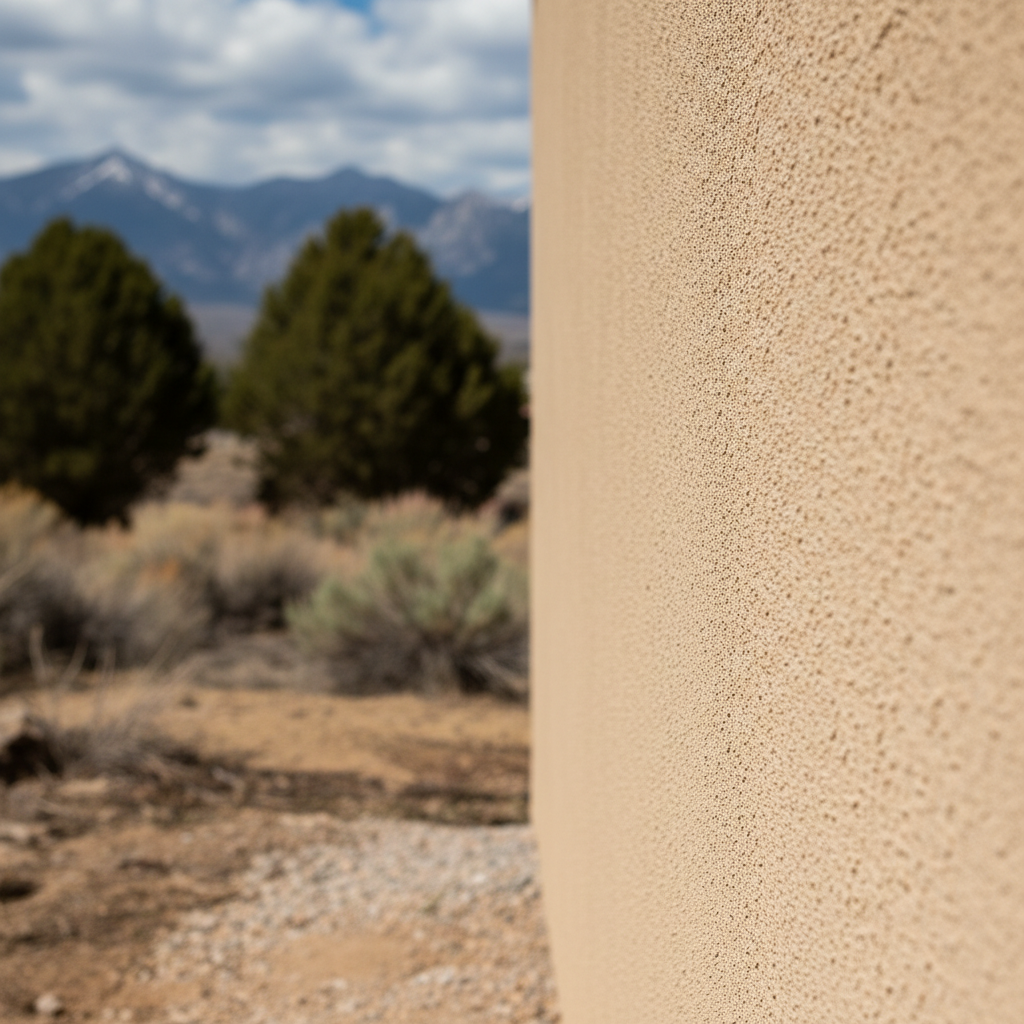
Alright, let's talk stucco. It's on your house, right? And like anything else, it needs a little attention every now and then. A lot of folks in Sandy think a stucco inspection is some super complicated thing only a pro can handle, but honestly, there's a bunch you can check yourself. Knowing what to look for can save you headaches and money down the road. It's about being proactive, not waiting for a big problem to hit you.
Before You Start Your DIY Stucco Inspection
Before you even step outside, you need to get your head in the right place. This isn't about finding every tiny flaw; it's about spotting potential issues that could lead to bigger trouble. Think of it like giving your car a quick once-over before a long trip. You're looking for the obvious stuff, the red flags. Grab a notepad, a pen, and maybe your phone for pictures. A pair of binoculars can be handy for those higher spots you just can't reach.
Understand your home's stucco system too. Is it traditional hard-coat stucco, or do you have an EIFS (Exterior Insulation and Finish System) setup? They look similar but have different vulnerabilities. If you're not sure, check your home's original building plans or ask a neighbor who's been around a while. Knowing what you're dealing with helps you know what to specifically look for.
What to Look For: Your Exterior Walk-Around
This is where the rubber meets the road. Start at one corner of your house and work your way around, section by section. Don't rush it. You're looking for a few key things:
- Cracks: Not all cracks are bad. Hairline cracks are pretty normal with temperature changes, especially with our hot summers and cold winters here in Sandy. But if you see cracks that are wider than a credit card, or if they're running in a spiderweb pattern, or if they're horizontal or diagonal near windows and doors, that's a red flag. Those can mean structural movement or water intrusion.
- Stains and Discoloration: Dark streaks, especially under windows, around vents, or near the roofline, usually mean water is getting in and running down the wall. Green or black spots could be mold or mildew, which points to persistent moisture. Brown or rust-colored stains might indicate metal flashing issues.
- Bulges or Soft Spots: Gently press on the stucco in different areas. Does it feel solid? If you find any areas that feel soft, spongy, or seem to bulge out, that's a serious sign of water damage behind the stucco. This is a big one you don't want to ignore.
- Flashing and Sealants: Look at all the areas where stucco meets another material – windows, doors, rooflines, utility penetrations (like dryer vents or hose bibs). Is the flashing intact? Is the caulk cracked, missing, or peeling? These are common entry points for water. You really want a tight seal everywhere.
- Weep Screeds and Kick-Out Flashing: Down at the bottom of your stucco, there should be a gap between the stucco and the foundation, usually covered by a metal strip called a weep screed. This allows moisture to drain out. Make sure it's clear of debris and not buried by landscaping. Also, check for kick-out flashing where the roofline meets a wall – it's crucial for diverting water away.
When to Call Midway Stucco Company
So, you've done your walk-around, and you've spotted some things. When do you call in the pros? Pretty much anytime you find something that's more than a tiny hairline crack or a bit of dirt you can wash off. If you see:
- Any cracks wider than a credit card.
- Bulges, soft spots, or stucco that sounds hollow when you tap it.
- Significant staining, especially dark streaks under windows or around penetrations.
- Missing or damaged flashing around windows, doors, or the roof.
- Signs of mold or mildew that keep coming back.
- Any suspicion of water intrusion.
These are all indicators that water is likely getting behind your stucco, and that's not something to mess around with. Water damage behind stucco can lead to rot in your wall sheathing and framing, which is a much more expensive fix than addressing the stucco itself. We've seen homes in neighborhoods like Willow Creek where minor issues turned into major structural problems because they were ignored too long.
A professional stucco inspection involves moisture testing. This uses specialized equipment to detect moisture behind the stucco without tearing into your walls. It's really the only way to truly know if you have water intrusion. We can also identify the type of stucco system you have and pinpoint the exact source of any problems.
After the Inspection: What's Next?
If you've done your DIY check and found nothing major, great! Keep an eye on things seasonally. If you did find red flags, don't panic, but don't delay. Get a professional inspection scheduled. They'll give you a detailed report and recommendations for repair. It's always better to catch these things early. A small repair now can prevent a huge, costly renovation later. Your home is a big investment; protecting its exterior protects its value.