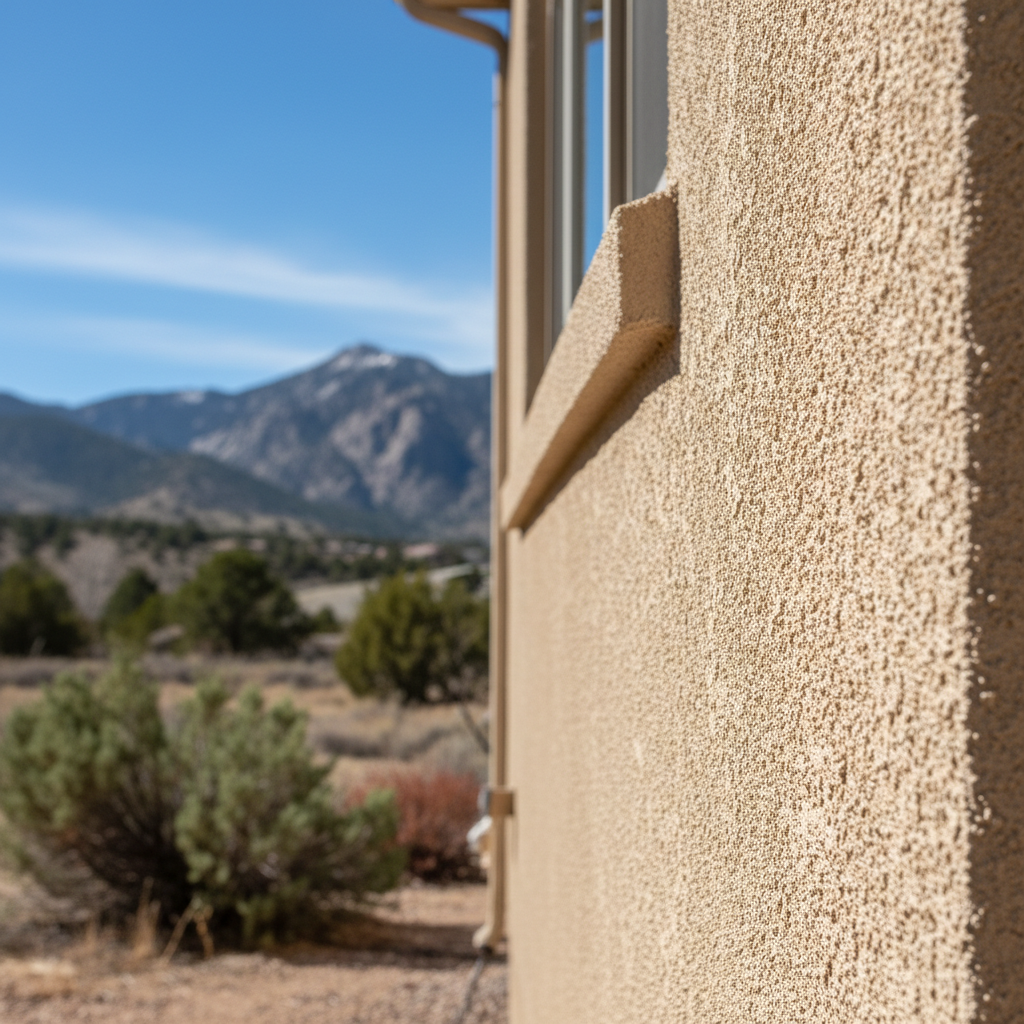
Stucco's a fantastic choice for homes here in Sandy. It's durable, looks great, and holds up well to our crazy Utah weather – those hot summers and cold, snowy winters. But when you're looking at a new stucco project, whether it's a repair or a full exterior, a lot of homeowners wonder, "What can I actually do myself, and when do I need to call in the big guns?" Let's break it down.
Before You Start: Planning & Permits
First things first, you can absolutely handle a lot of the initial legwork. This isn't just about saving money; it's about understanding your project better. You'll want to figure out your budget – and be realistic. Stucco isn't the cheapest option out there, but its longevity often makes it worth the investment.
Next, permits. Don't skip this. In Sandy, any significant exterior work, especially involving structural changes or a complete re-siding, will likely require a building permit from the city. You can usually research this on the Sandy City website or give their building department a call. They're usually pretty helpful. Getting the permit yourself saves you the contractor's markup on that administrative time.
Another thing you can do is research styles and colors. Drive around neighborhoods like Willow Creek or Pepperwood. See what you like. Stucco comes in tons of finishes and colors, and picking one that complements your home and the surrounding landscape is a big decision. Grab samples if you can.
During the Project: DIY vs. Professional Hands
Now, this is where the lines get a little clearer. For the actual application of stucco, I'm going to be blunt: this is almost always a job for a professional. Stucco isn't like painting a wall. It's a multi-layer system that needs to be applied correctly for it to last and perform. If it's not done right, you're looking at cracks, water intrusion, and a whole host of expensive problems down the road. Especially with our freeze-thaw cycles here, any moisture getting behind the stucco can cause serious damage.
However, there are some things you can definitely do to help the process along and potentially save some money:
- Demolition: If you're replacing old siding, removing it yourself can be a big cost-saver. Just be careful, wear proper safety gear, and make sure you're not damaging the underlying structure. And be prepared for what you might find – sometimes there's rot or other issues hiding underneath.
- Site Prep: Clearing the area around your house, moving plants, covering anything you don't want stucco on – these are all tasks you can handle. Make sure there's clear access for the crew and their materials.
- Cleanup: Once the stucco is on and cured, you can take on the final cleanup. Hauling away debris, sweeping up, and generally tidying up the site.
- Small Repairs: If you've got a tiny crack, say hairline thin and less than an inch or two, you might be able to patch it yourself with a good quality elastomeric stucco patch. But for anything larger, or if you see multiple cracks, call someone. It usually points to a bigger issue.
For the core work – installing the lath, scratch coat, brown coat, and finish coat – you really want an experienced crew. We're talking about precise mixing ratios, proper layering, and skilled trowel work. It's an art and a science. At Midway Stucco Company, we've seen too many DIY stucco jobs that end up costing more to fix than if the homeowner had just hired a pro from the start.
After the Stucco: Maintenance You Can Do
Once your beautiful new stucco is in place, there's definitely maintenance you can do to keep it looking good and performing well. This is where you, the homeowner, shine:
- Cleaning: Stucco gets dirty, especially on the north side of houses that don't get as much sun. A soft brush, some mild detergent, and a garden hose are usually all you need. Don't use a high-pressure washer too close or you risk damaging the finish.
- Inspections: Walk around your house a couple of times a year. Look for cracks, especially around windows, doors, and corners. Check for any signs of moisture, like dark spots or efflorescence (white powdery residue). Catching small issues early can prevent them from becoming big ones.
- Caulking: Keep an eye on the caulk around windows, doors, and where the stucco meets other materials like trim or the foundation. If it's cracking or pulling away, re-caulk it. This is a critical barrier against water.
- Landscaping: Make sure plants aren't growing directly against the stucco. They can hold moisture against the wall and cause issues. Keep a good buffer zone.
So, while the actual application of stucco is best left to the pros, you've got plenty of opportunities to be involved, save some money, and ensure your investment lasts. Do your homework, know your limits, and don't be afraid to ask for help when you need it. That's how you get a stucco job you'll be happy with for decades.