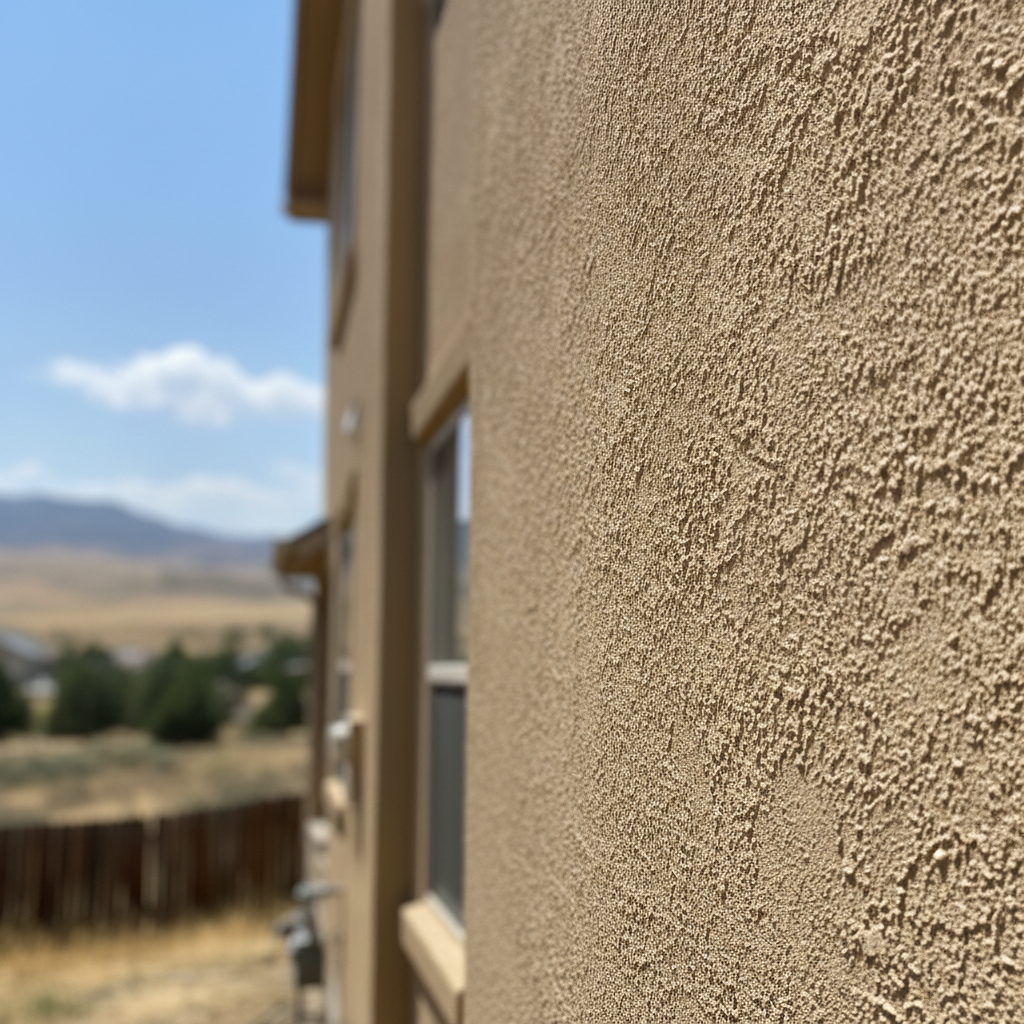
So, you're thinking about sprucing up your home's exterior, and maybe you've heard whispers about commercial-grade stucco. You've probably noticed it on those snazzy new developments around the Wasatch Front, or perhaps on some of the bigger, custom homes tucked away in Willow Creek. It's not just for businesses anymore, you know. The ideas behind commercial stucco can actually give your Sandy home some real muscle, especially when we're talking about how tough it is and how long it'll last. But what does that really mean for you, the homeowner? And what parts of this project can you actually tackle yourself?
Before You Start: What's the Deal with 'Commercial' Stucco?
When I talk about 'commercial-grade' stucco for a house, I'm usually thinking about a few key things. It often means a tougher system overall, better materials, and a much stricter way of putting it on compared to what you might see on a quick, cheap residential job. The goal is to build something that truly lasts, something that can stand up to our wild Utah weather — those scorching summers and the heavy snows we get right here in Sandy. It's all about getting superior protection, really.
- Material Quality: Commercial jobs often call for higher-grade cements, aggregates, and special additives. This gives you a stronger finish, one that's less likely to crack. You might spot things like fiber-reinforced base coats or fancy polymer-modified finishes, which aren't always standard on every residential project.
- System Depth: Sometimes, it's all about the layers. A commercial system could have thicker scratch and brown coats, or maybe a more advanced drainage system tucked behind the stucco. That last bit is super important for stopping moisture problems down the road.
- Flashing and Detailing: This is a big one. Commercial applications are super careful about flashing around windows, doors, and rooflines. They're designed to really push water away, cutting down on any chance of it sneaking behind the stucco. This careful attention to detail truly makes a difference in our climate, where those freeze-thaw cycles can be pretty brutal.
What can you do before you even start? Research, plain and simple. Take a look at homes in your neighborhood that have stucco and seem to be holding up well. Chat with neighbors who've had work done. Try to understand the different kinds of stucco systems out there — traditional three-coat, one-coat, and EIFS (Exterior Insulation and Finish Systems). Each has its good points and bad points, and honestly, not all of them offer the same kind of 'commercial-grade' durability.
During the Project: Where DIY Ends and Pros Take Over
Let's be honest: putting on stucco, especially a commercial-grade system, isn't really a weekend project for most homeowners. This isn't like painting a fence, folks. It's a highly specialized trade. It needs specific tools, a good grasp of building codes, and tons of experience to get it right. If you mess up the application, you're not just stuck with an ugly wall; you could be looking at water getting inside, rot, and some seriously expensive repairs later on.
Here’s what you should absolutely leave to the professionals, like us here at Midway Stucco Company:
- System Installation: From putting up the weather-resistive barrier to installing lath, the scratch coat, brown coat, and finally the finish coat — this all needs experienced hands. The mixing ratios, how you apply it, and the curing times are all super critical.
- Flashing and Water Management: This is probably the most important part, wouldn't you say? Correctly installing kick-out flashing, head flashing, and weep screeds is complicated and absolutely vital for preventing moisture damage.
- Repairs and Patches: Getting existing stucco texture and color to match, especially on a bigger scale, is an art form. A bad patch just screams "amateur job."
What *can* you realistically handle yourself? You can do some of the prep work, to a certain extent. This might include things like:
- Clearing the Area: Moving plants, outdoor furniture, and anything else away from the walls.
- Protecting Surfaces: Taping off windows, doors, and other spots you don't want stucco on. Laying down tarps to keep your landscaping or driveway safe from splatter.
- Minor Demolition (but be careful): If you're replacing old stucco, you might be able to remove some of the old stuff. Just be extremely cautious not to damage the sheathing or framing underneath. Honestly, this is often best left to the pros, who know what to look for beneath the surface.
The main thing is knowing your limits. A professional stucco contractor will make sure the job gets done to code, using the right materials and all those proper water management details that make a commercial-grade system truly tough.
After the Project: Keeping Your Investment in Top Shape
Once your commercial-grade stucco is on, you've got a beautiful, long-lasting exterior. But 'durable' doesn't mean you can just forget about it. You still need to keep an eye on things.
- Regular Inspections: Take a walk around your house a couple of times a year. Look for any tiny hairline cracks, especially near windows, doors, or where different materials meet. Check for any odd discoloration or signs of moisture. Small cracks? You can seal those with an elastomeric caulk made for stucco. Don't let them get bigger.
- Keep it Clean: Stucco can definitely get dirty, especially on the north side of a house or in shaded areas where mildew might pop up. A gentle power wash with a mild detergent (nothing too harsh!) can keep it looking fresh. Just be careful with the pressure; you really don't want to damage the finish.
- Maintain Landscaping: Keep shrubs and trees trimmed back from the stucco. If they're touching, they can trap moisture against the wall and cause problems. Also, make sure your sprinklers aren't constantly hitting the stucco.
- Check Gutters and Downspouts: Make sure they're clean and sending water away from your foundation and walls. Overflowing gutters are a super common reason for stucco damage.
If you spot anything worrying — a bigger crack, crumbling stucco, or persistent wet stains — don't just ignore it. That's your cue to call in a professional. Catching and fixing problems early is always cheaper than letting them get worse. Investing in commercial-grade stucco for your Sandy home is a smart move for long-term value and protection, but it still needs a little love to perform its best for decades to come.